



Someone has to be running the job.

Project consulting and construction management: what gets built, in what order, by whom, for how much, and who is checking. Owners bring us in when a project has more moving parts than their own team can carry.

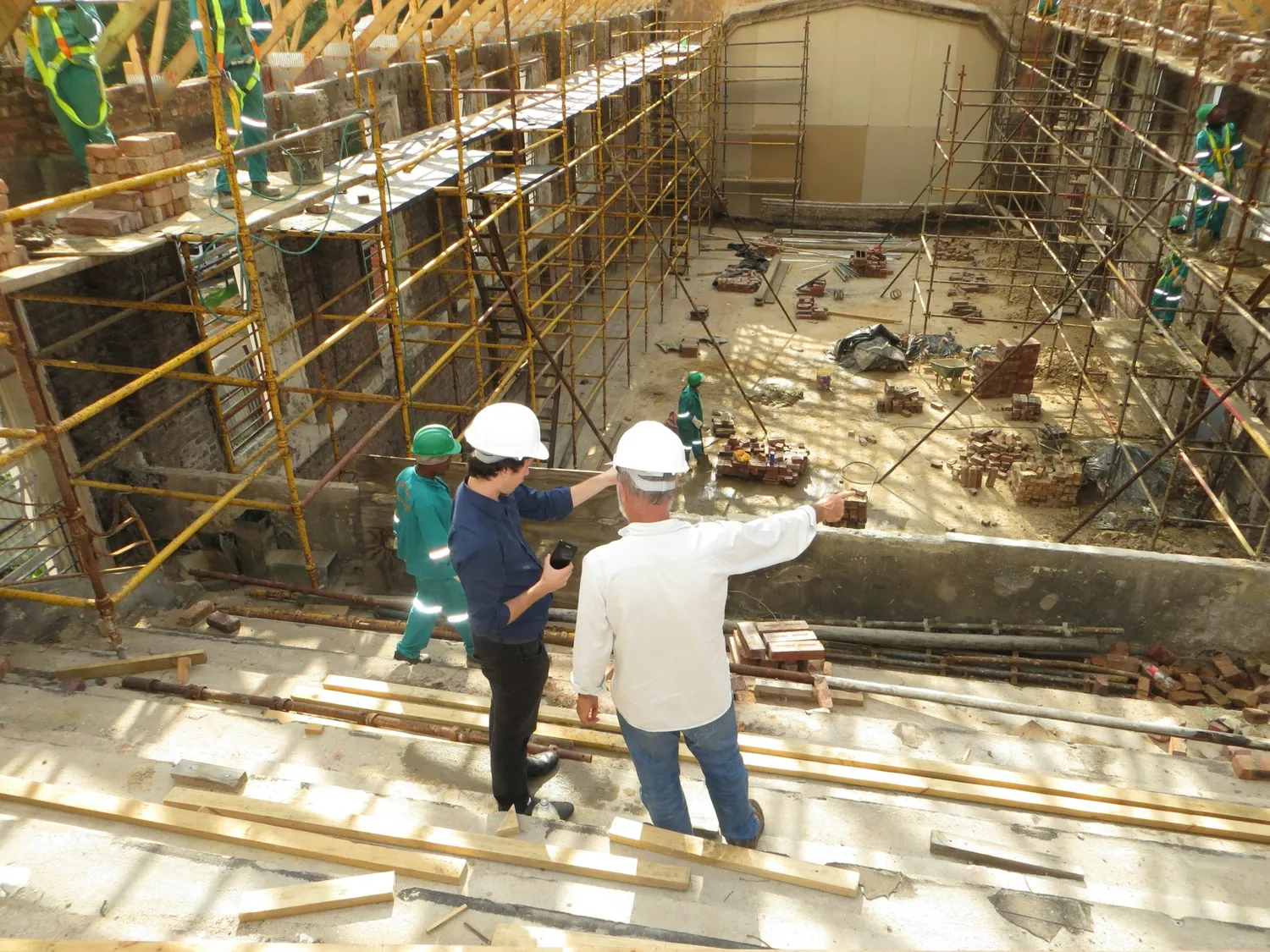
Two workers checking drawings against the work on a job site

Planning

Before anything is committed

The cheapest place to fix a project is on paper. We do the unglamorous work of turning an intention into a scope, a sequence and a number — and of finding the constraints while they are still cheap to work around.

  • Scope definition — what is being built, and what is explicitly not
  • Sequencing and schedule development, with the dependencies made visible
  • Budget development and cost tracking against the scope as it stands today
  • Permit strategy, applications and inspection coordination
  • Contractor and subcontractor selection, and the tender documents behind it
  • Progress reporting to owners, lenders and other stakeholders
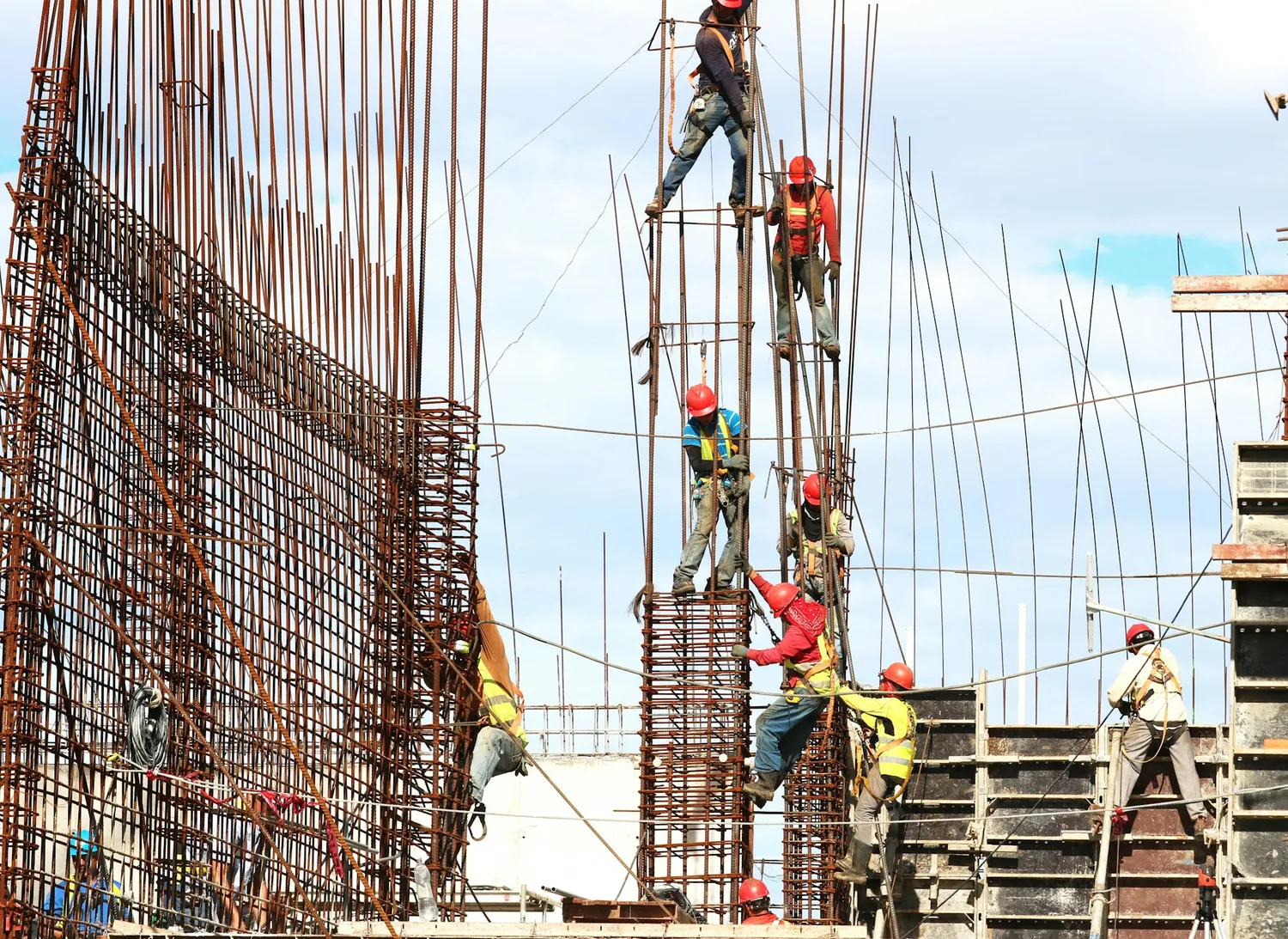
Two supervisors reviewing a reinforced deck before the pour

Delivery

And then somebody has to hold it together

A plan that nobody enforces is a document. Construction management is the day-to-day work of keeping the sequence true: booking, checking, recording and deciding, so that the drawing and the building stay the same shape.

  • On-site supervision, day by day rather than by phone
  • Trade coordination, so the next trade arrives to a site that is ready
  • Change orders priced and agreed in writing before the work happens
  • Quality and deficiency tracking through to close-out
  • Health and safety documentation kept current on site
  • Handover: permits closed, warranties and manuals collected
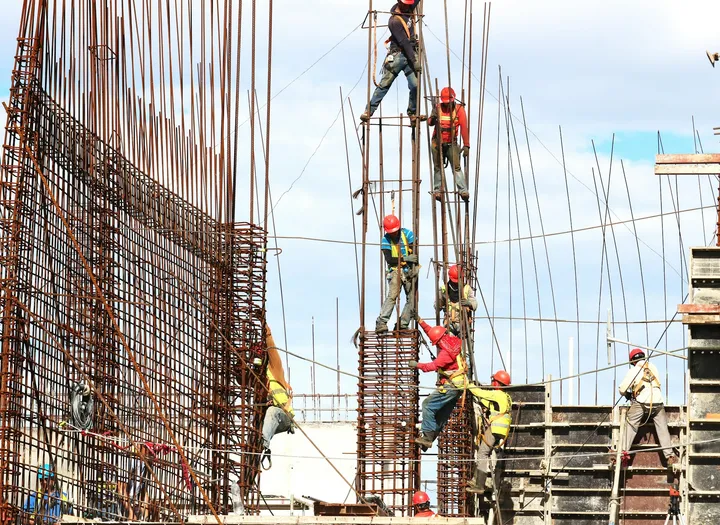
A commercial building under construction

What goes wrong

Four failures we are usually hired to prevent

None of these are craftsmanship problems. Every one of them is a management problem, which is why they keep happening to companies with good trades on site.

01

The schedule that only exists in someone’s head

If nobody can hand you a written sequence, there is no schedule — there is an intention. We write it down, and we write down what each stage is waiting on.

02

The change nobody priced

Most disputes on a build start as a reasonable conversation in a doorway. A change order costs ten minutes now and saves an argument at the end.

03

The permit pulled late

Permits and inspections are not paperwork friction — they are fixed points the rest of the schedule has to be built around. Late applications move everything.

04

The trade booked on the day

Trades are booked weeks out, not days. Sequencing backwards from the finish date is what keeps a crew from standing in an empty room.

Process

How an engagement runs

Five stages. You can join at any of them — most owners call after the brief and before the money is committed, which is the useful moment.

  1. Brief

    What you are building, what constrains it, and what has already been decided or committed.

  2. Feasibility

    What the site, the budget and the approval path actually allow. Better to find the wall now.

  3. Scope & schedule

    A written scope and a sequenced programme, with the critical path called out.

  4. Procurement

    Tender packages, contractor selection, and contracts that say who carries which risk.

  5. Delivery

    Supervision, coordination, change control and progress reporting until the work is closed out.

Next step

Tell us what the project is waiting on.

A schedule that has slipped, a budget that has moved, an approval that will not come — whichever it is, that is usually where the conversation starts.

Or reach us directly

(780) 297-3888newergyindustries@gmail.com

Monday to Friday, 9:00 AM – 5:00 PM MT

Working across Canada