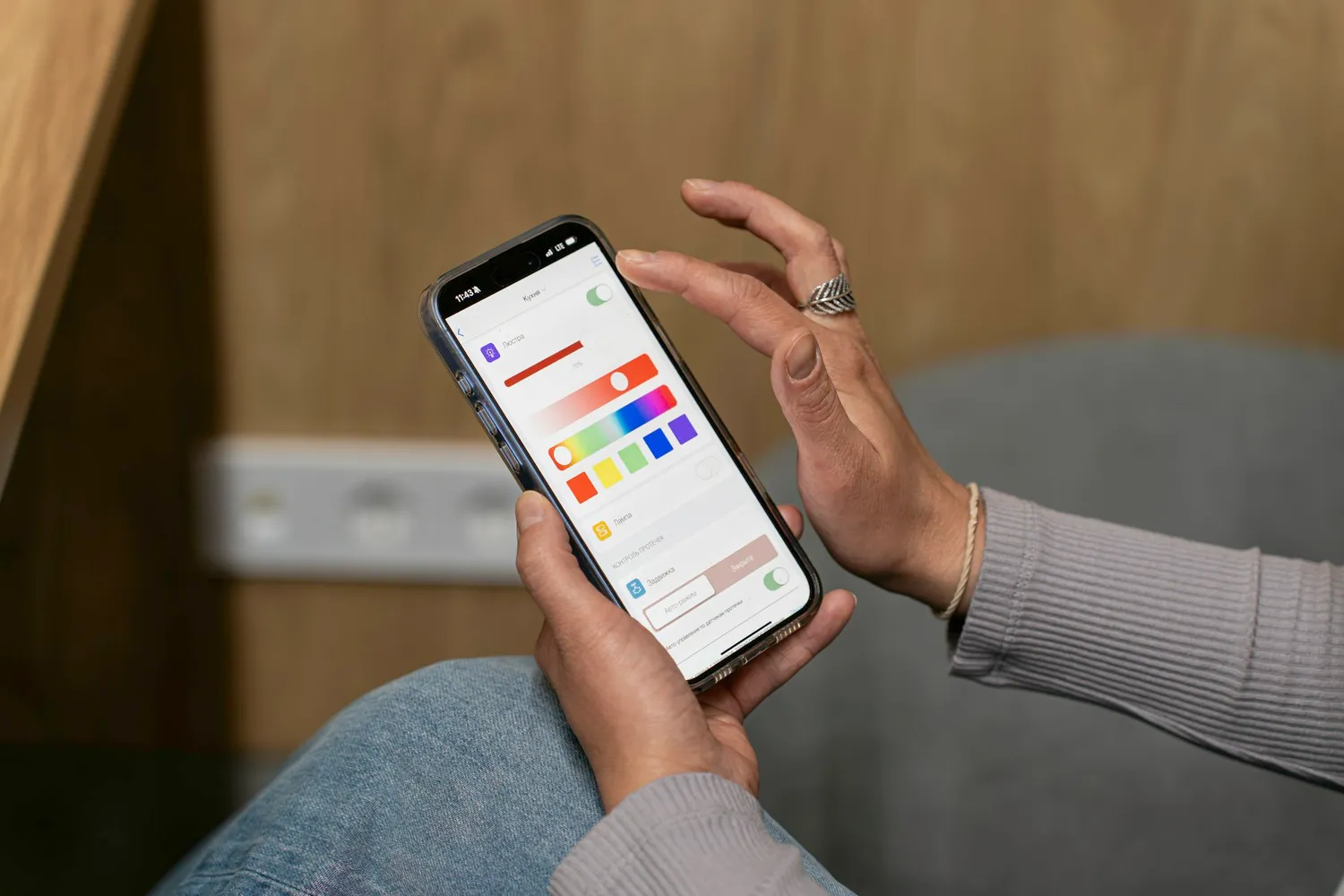
Lighting
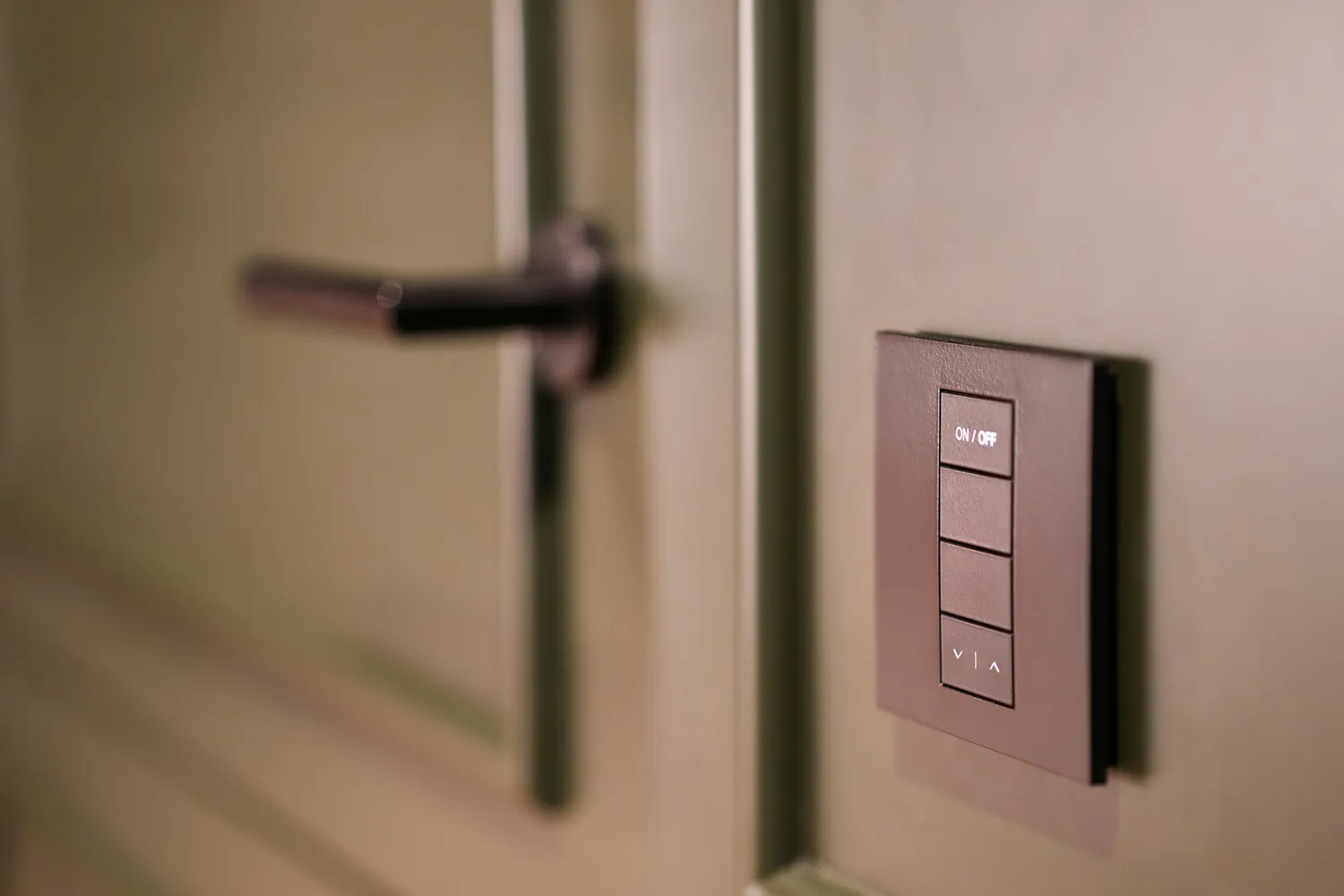
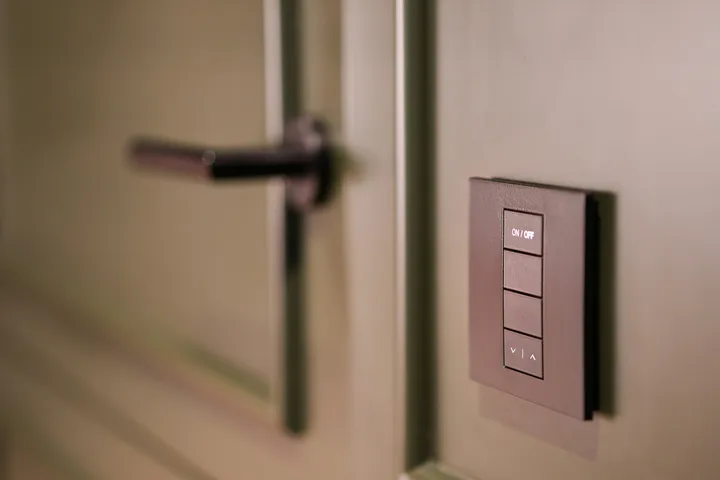
Switches and dimmers rather than bulbs wherever possible — a smart switch still works for the guest who reaches for the wall, and it does not stop working when a bulb is replaced.
Basement DevelopmentNewThe cheapest square footage you will ever add: the floor, walls and roof are already paid for. Design, permits, build and inspections in one contract.How a basement build runsNot sure which side of the house it falls on?Ask us — one call covers all three
Smart Home AutomationLighting, heating, locks and cameras that answer to one app — designed around the network first, so it still works when the internet does not.See what we installNot sure which side of the house it falls on?Ask us — one call covers all three
Most smart home disappointment comes from the same place: devices from five brands, each with its own app, all depending on a router in a cupboard. We design the network first and the gadgets second.

The rule we design to
Every device we put in has to leave the house working the ordinary way. Lights have switches on the wall. Locks have keys. Thermostats have buttons. The automation is what happens on top of that, not instead of it.

What we install
Nobody has ever asked us for “home automation”. They ask for the hallway light to stop being a hostage negotiation, or to see who is at the door from work.
Switches and dimmers rather than bulbs wherever possible — a smart switch still works for the guest who reaches for the wall, and it does not stop working when a bulb is replaced.
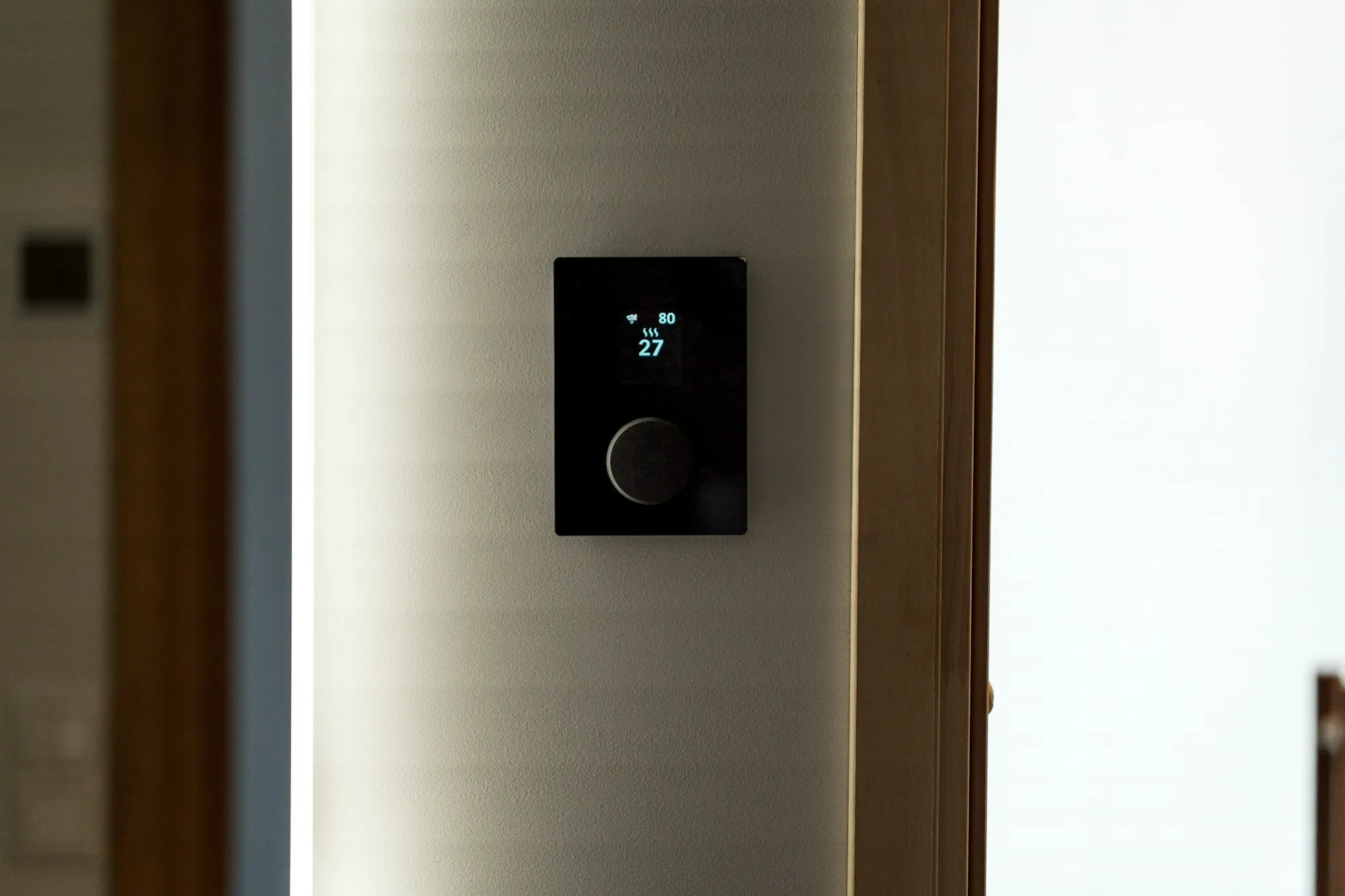
Thermostats and zone control, set up with schedules that match how the house is actually used rather than the defaults it shipped with.
Smart locks, keypads and video doorbells, with a physical key path that still works when the battery does not.
Coverage planned around the approaches to the house, and recording kept locally so the footage is not held hostage by a subscription.
Motorised coverings, wired during a renovation where the walls allow it, because retrofitting power to a window is the expensive way round.
Bringing devices from different brands under a single controller. Where it genuinely cannot be done, we say so rather than selling you a fourth app.
Handover
Admin credentials, the network layout, and a written note of what is connected to what. Nothing is registered to an installer account you cannot reach, and nothing depends on us picking up the phone.
If you later want somebody else to work on it, they will be able to. That is the test.

FAQ
That is the design question, and it is why we start with the network and the controller rather than the gadgets. A system whose light switches depend on a cloud service is a system that stops being a house every time your provider has a bad afternoon. Local control first; remote access as a convenience on top.
No, and it is usually a bad idea. The order that works is: network first, then the things you touch every day (lights, thermostat, locks), then the rest as you find you want it. What matters is that the first stage does not lock you out of the later ones.
Run cable. Pulling network and low-voltage cable through open walls costs a fraction of retrofitting it, and it is the one part of a smart home you cannot easily add later. See our renovation pages — the two crews are the same company, so this gets coordinated rather than negotiated.
You do. Every install is handed over with the admin credentials, the network layout and a written note of what is connected to what. A system you cannot get into is somebody else’s system.
Next step
What you have now, what you want it to do, and whether walls are open. That is enough for us to tell you what it takes and in what order.
Or reach us directly
(780) 297-3888newergyindustries@gmail.comMonday to Friday, 9:00 AM – 5:00 PM MT
Working across Canada